
Japan’s ancient castles are more than just relics of a bygone era — they are silent storytellers, standing tall and serene through centuries of change. From the delicate curves of their rooftops to the sturdy lines of their stone walls, these architectural marvels convey both the martial spirit and refined elegance of feudal Japan. Read more: https://travellocafree.site/?page_id=7138.
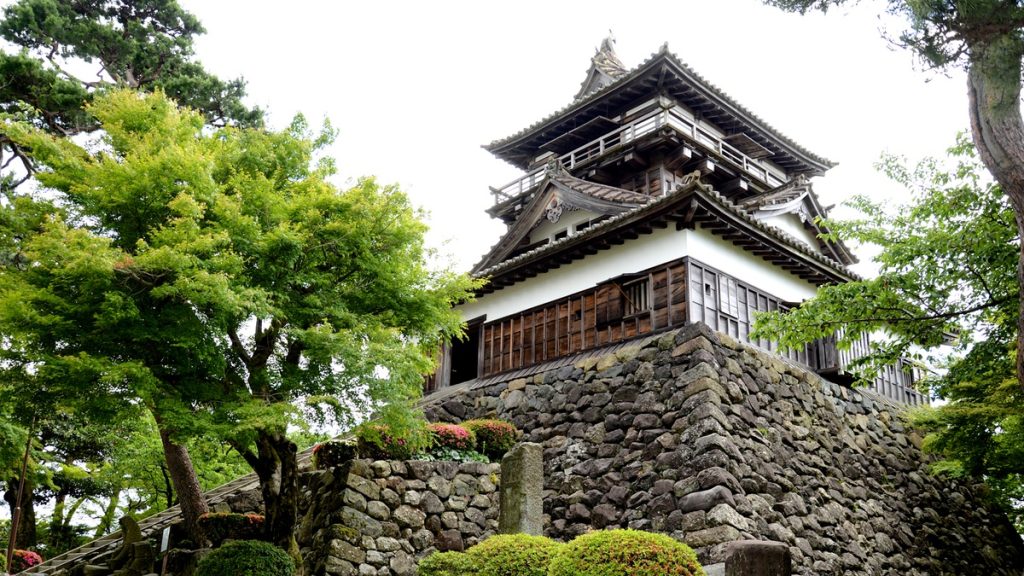
A Journey Through Time
1. Architectural Harmony
Traditional Japanese castles often harmonize with their natural surroundings. Moats reflect their elegant silhouettes, while stone foundations rise organically from the earth. Their wooden towers, layered with gracefully curving rooflines, evoke both strength and poetic beauty.
2. Symbolism and Power
Each castle is deeply symbolic. The design wasn’t just about defense — it also represented the power and prestige of the ruling clan. These structures were political centers, military strongholds, and palaces all at once.
3. Celebrated Castles Worth Visiting
While there are many castles across Japan, some stand out for their preservation and beauty:
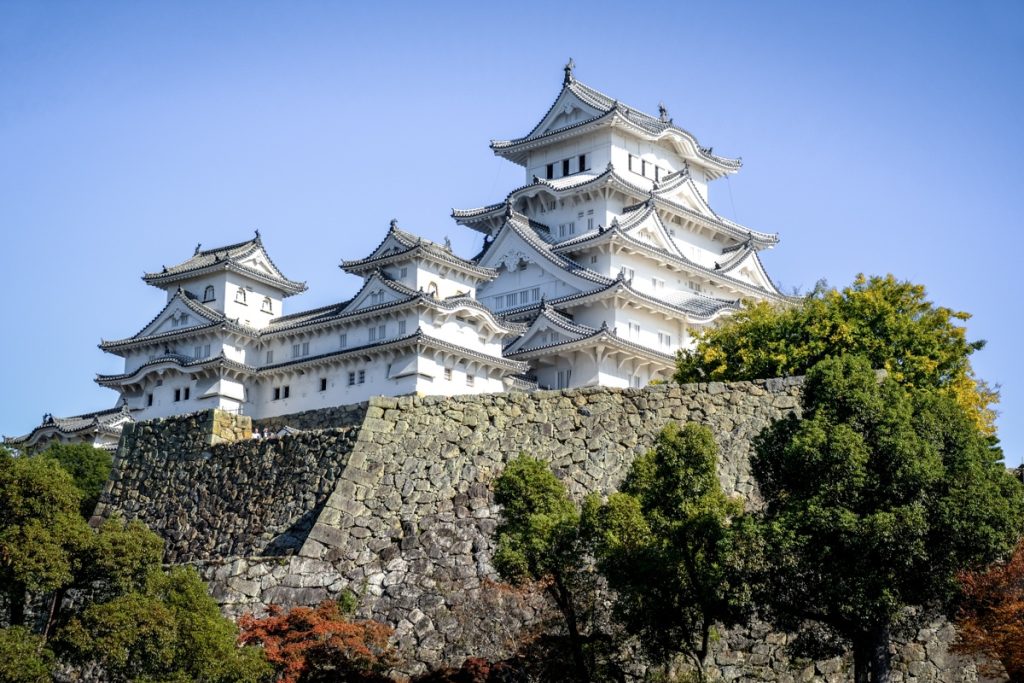
- Himeji Castle: Known as the “White Heron Castle” for its graceful white appearance. This UNESCO World Heritage site is one of the country’s most iconic medieval fortresses.
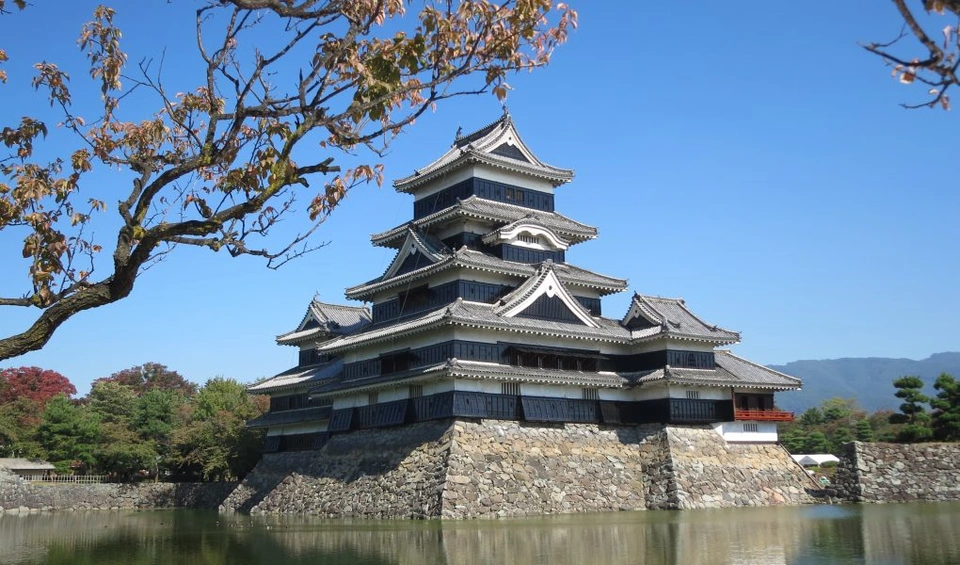
- Matsumoto Castle: Also called the “Crow Castle” because of its black-painted wooden keeps. It’s one of Japan’s original castles and features a wide moat and stone foundations.
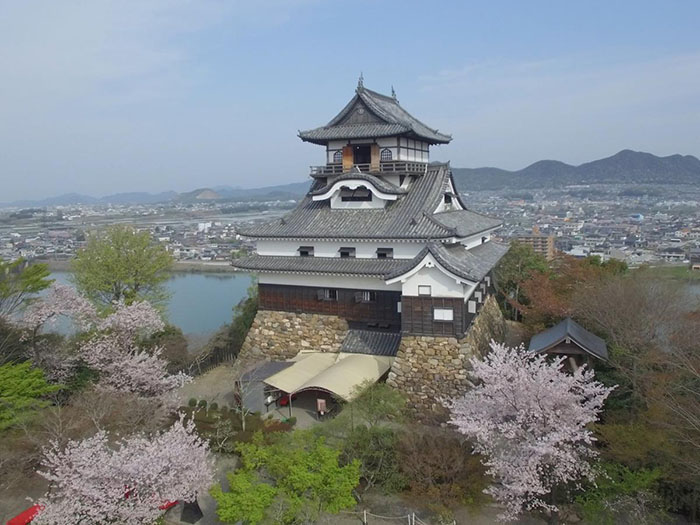
- Inuyama Castle: This is one of the oldest surviving castle keeps in Japan, perched on a hill above the Kiso River.
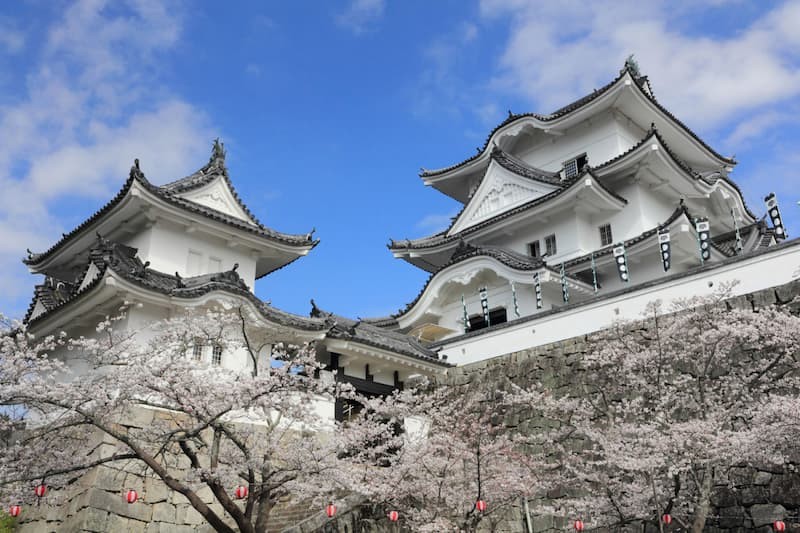
- Iga Ueno Castle: Known for its tall, steep walls and nickname “White Phoenix Castle” due to its architectural style.
4. Aesthetic & Emotional Appeal
The photographic series in the original article captures more than just structures — it captures a feeling. Mist drifting over moats at dawn. Cherry blossoms framing ancient gates. Sunlight glinting off white plaster walls. These are not just fortresses; they are living poems.
Why These Castles Still Matter
Preservation: Many castles have been carefully restored or maintained as national treasures, reflecting Japan’s commitment to preserving heritage.
Cultural Legacy: These castles connect us to Japan’s feudal past, samurai culture, and powerful warlords.
Tourist Magnet: They draw visitors not just for history, but for their beauty — especially during cherry blossom season or autumn foliage.
Official Japan Tourism: https://www.japan.travel